Design For Durability
UX Research Internship | UE-HCI Lab, IIT Guwahati
Overview
Worked at UE–HCI Lab, IIT Guwahati under the guidance of Prof. Debayan Dhar on the project “Design for Durability”. Had an amazing experience while working at the lab, it was the first time I got a chance of work in the field of UX research and also product research. Learnt a lot during my tenuer at IIT Guwahati as summer intern, here is the detailed case study about the work.
Objective
To streamline the product design process for the product designers by introducing a method extracting product features using a factor-based classification approach. Testing this approach by generating concepts for different products.
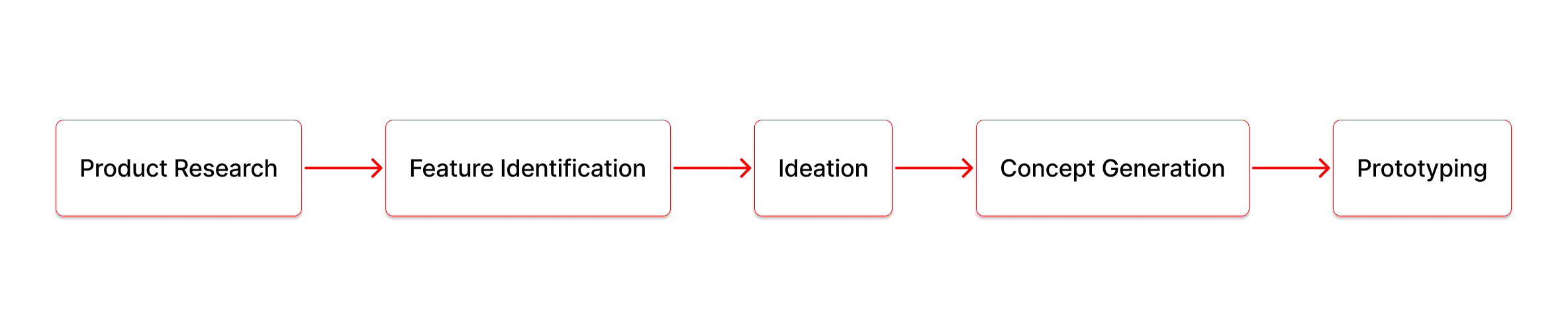
Design Process
Products
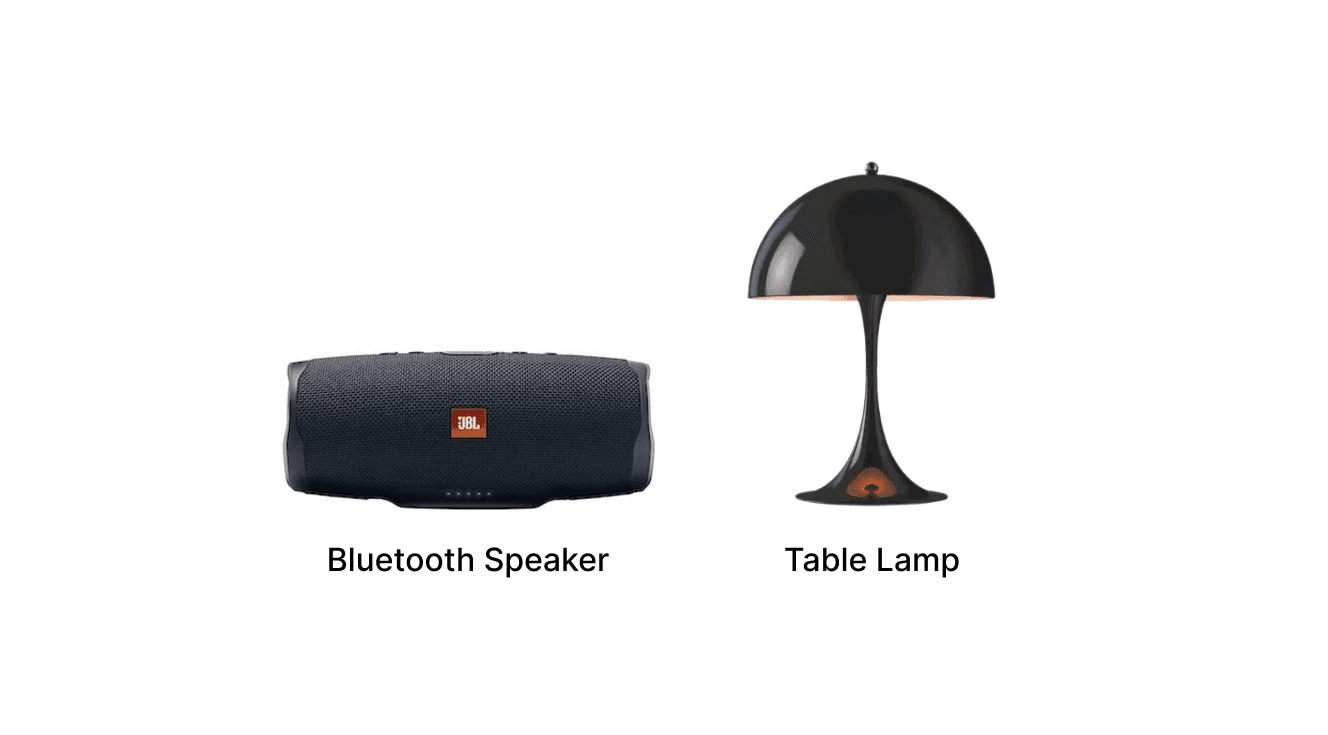
To test this approach, 2 different products were chosen: “Table Lamp” and “Bluetooth Speaker”.
Product Research
Initially, the timeline of the products was established, and essential features were extracted based on readily available information such as product specifications provided by the producer or company. These features were broad in nature and encompassed the common attributes observed across different products over the years.
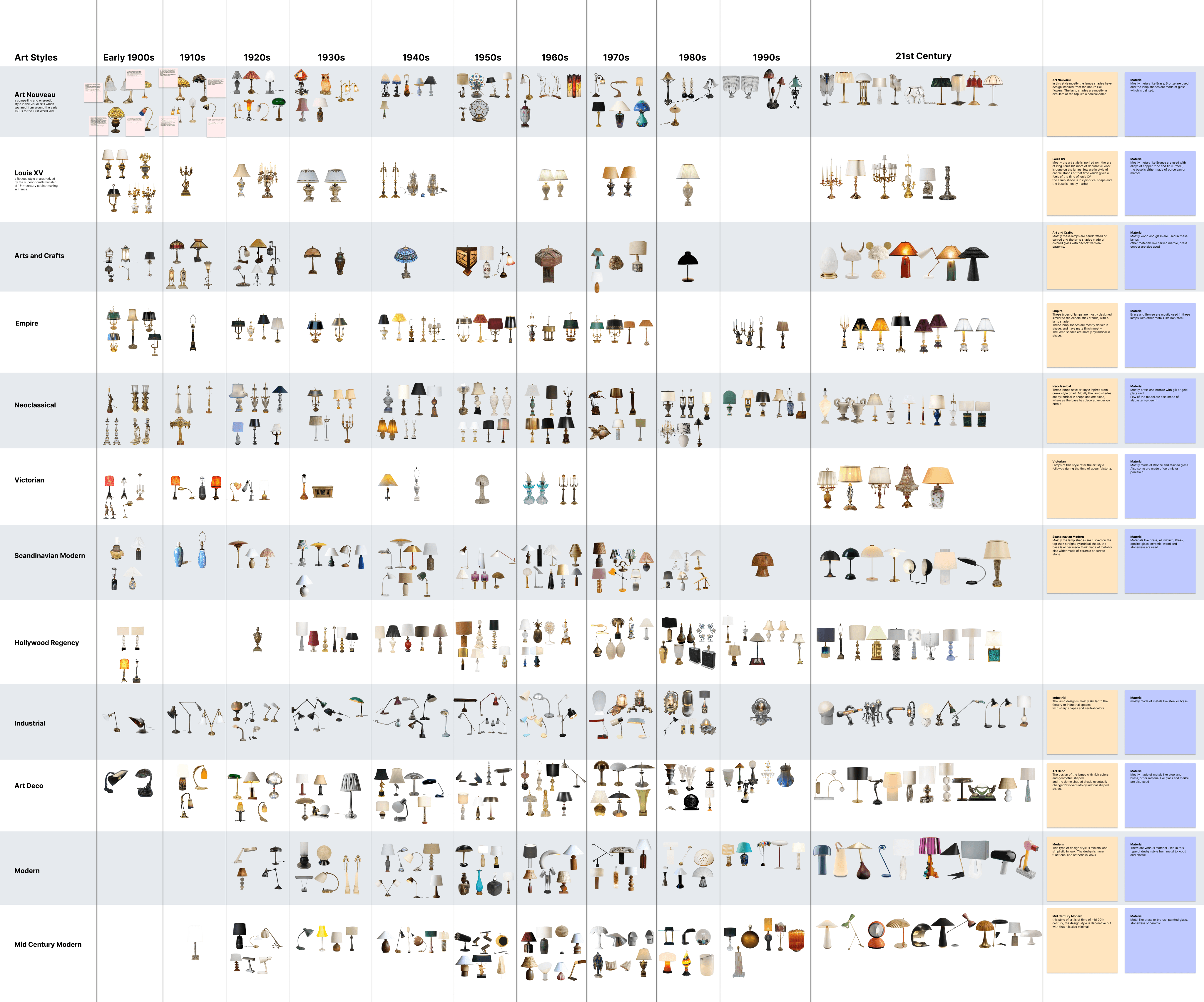
A timeline of table lamps over 100 years was created to extract the features from the lamps and see how the features have evolved over the time period in the specific art style.
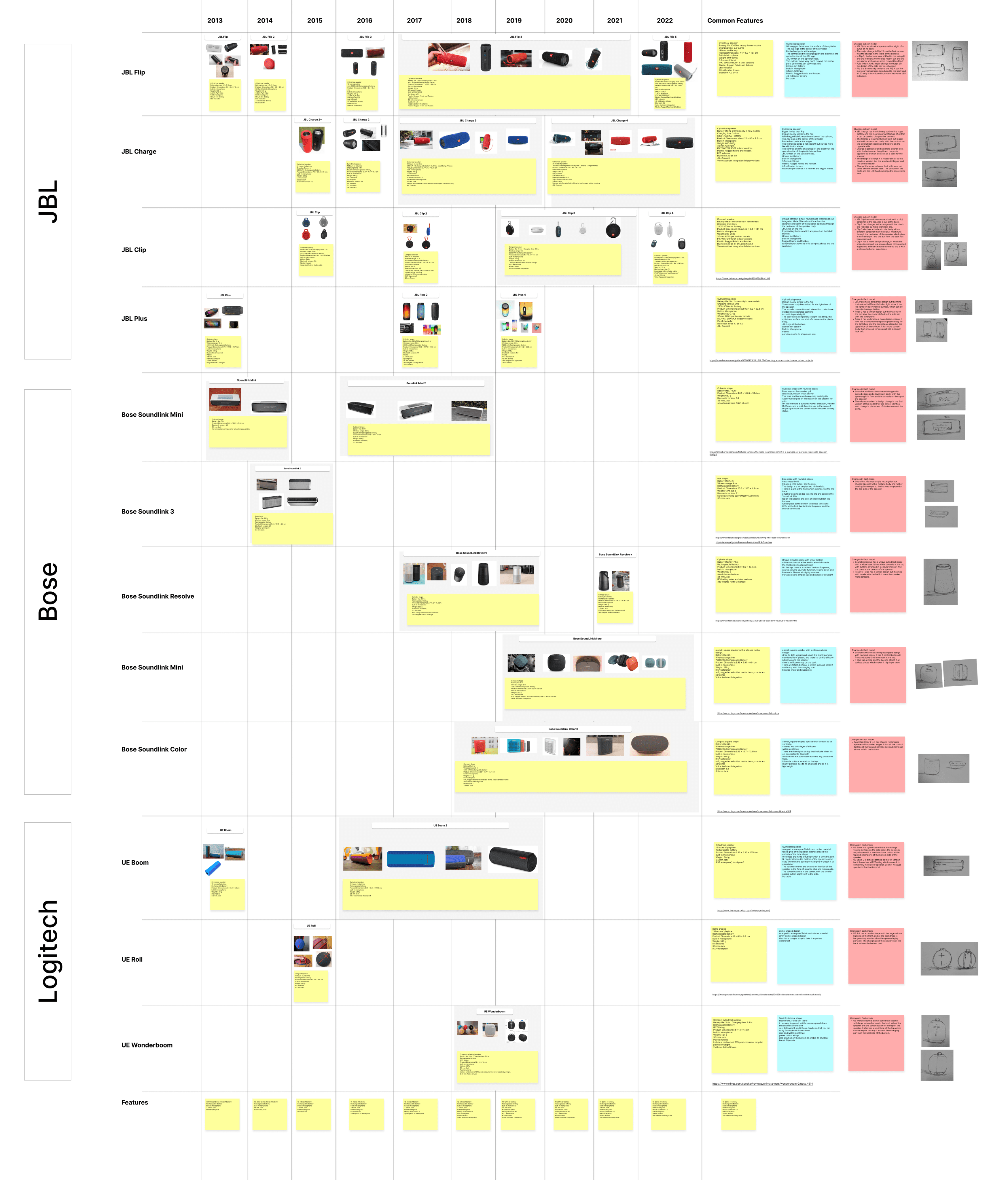
Since the Bluetooth speakers are comparatively newer than the lamps a short but detailed timeline for the speakers was created based on the major brands available in the market. Also product sketches were made to get an idea of the form of the product.
Factor Based Classification
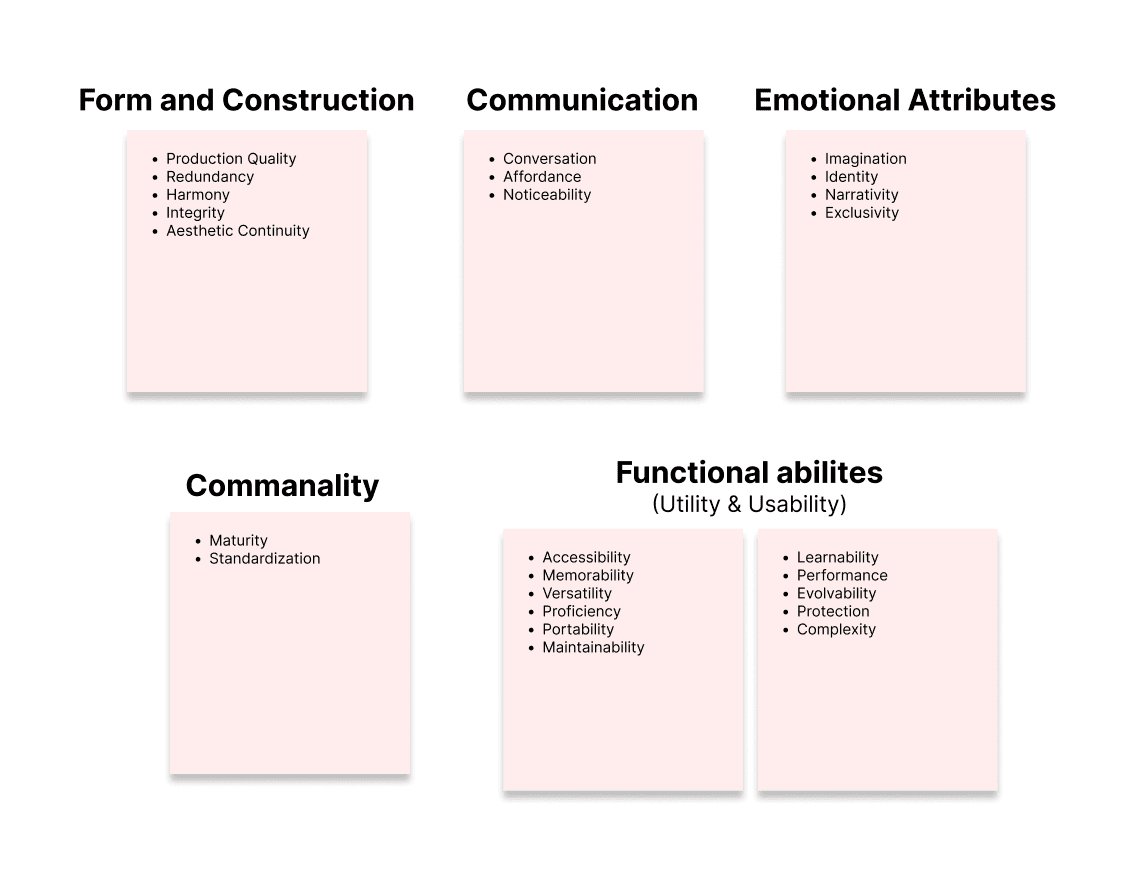
Specific 25 factors were found previously in the study which would affect the whole feature identification process making it structured and streamlined. These factors were grouped into 5 different groups.
Feature Identification
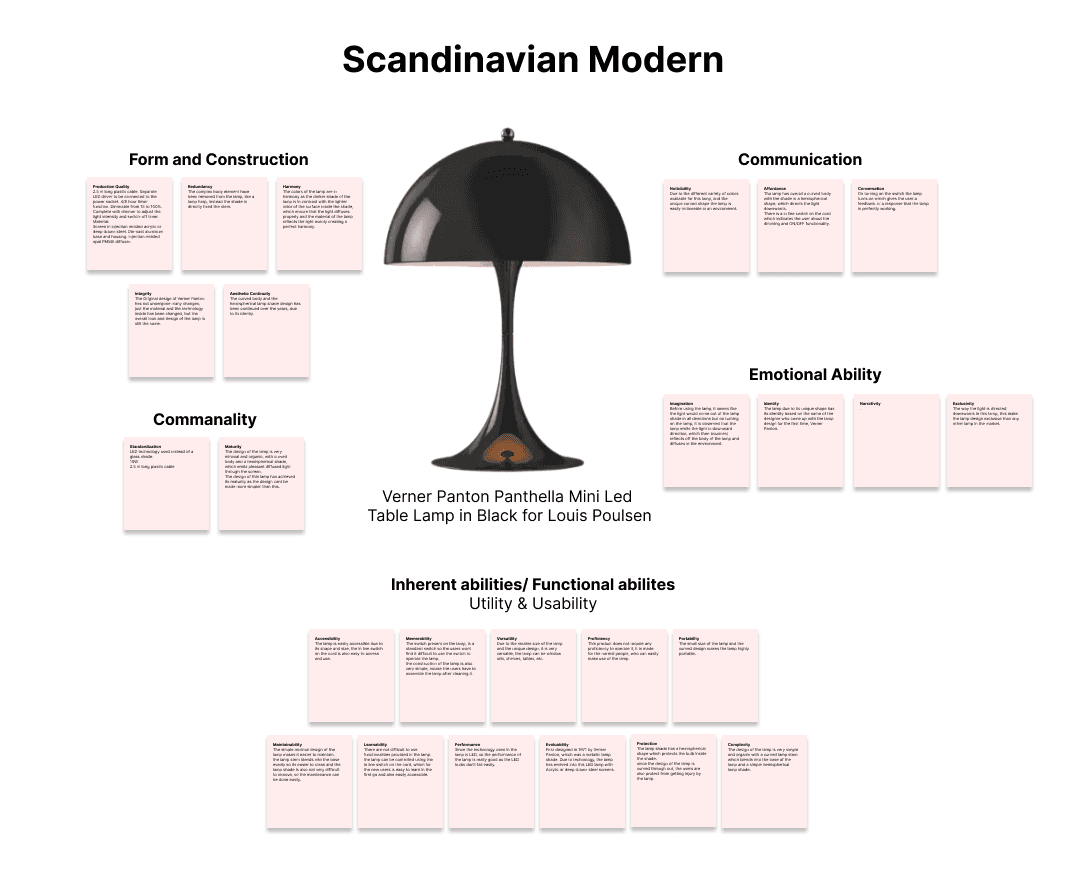
Based on the the factors that we classified above, we identify the specific features of the products.
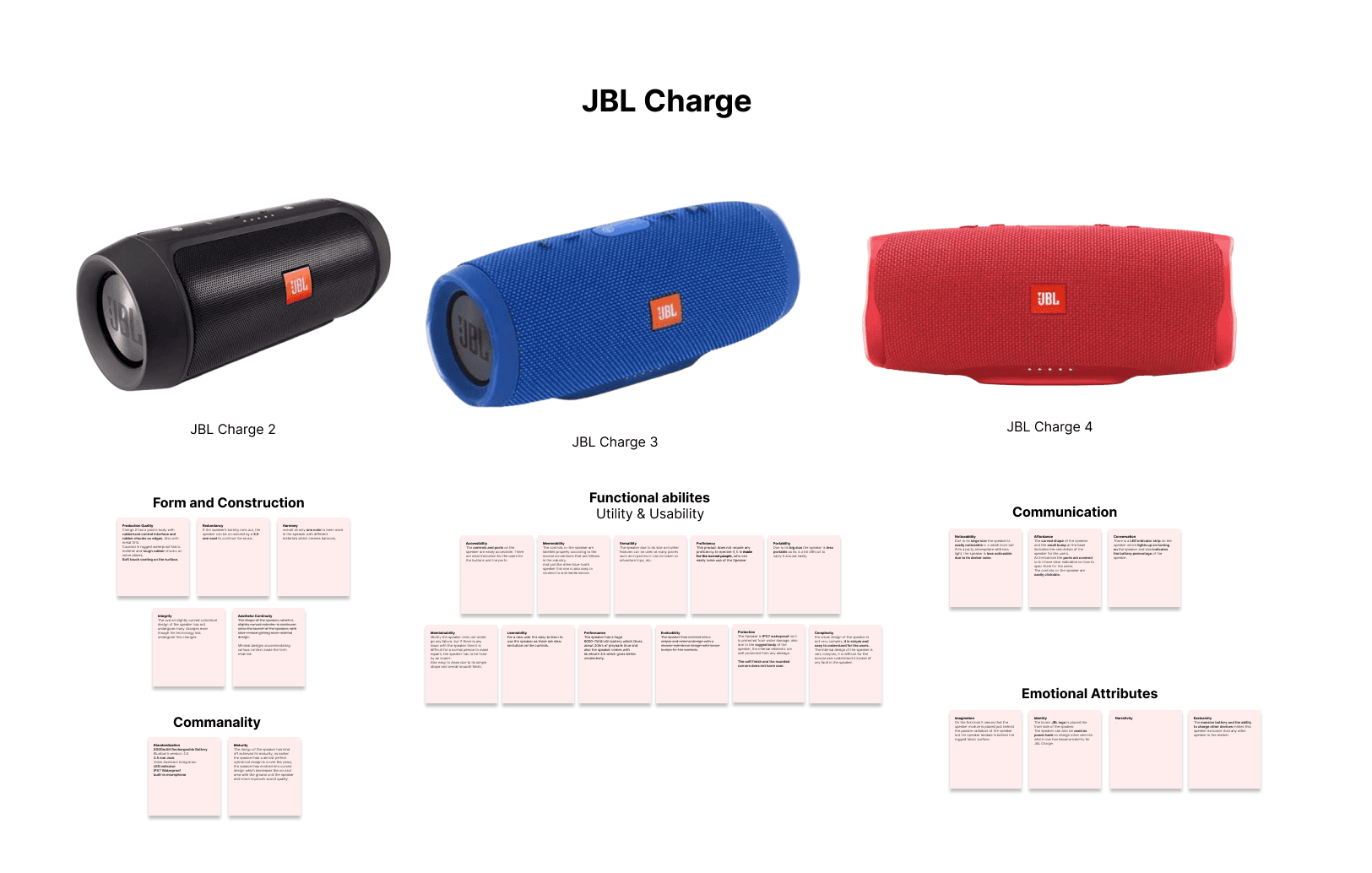
Ideation
Based on the the factors that we classified above, we identify the specific features of the products. The ideation was done for 2 specific contexts, “Playful Table Lamp” and “Bluetooth Speakers for Young Adults”.
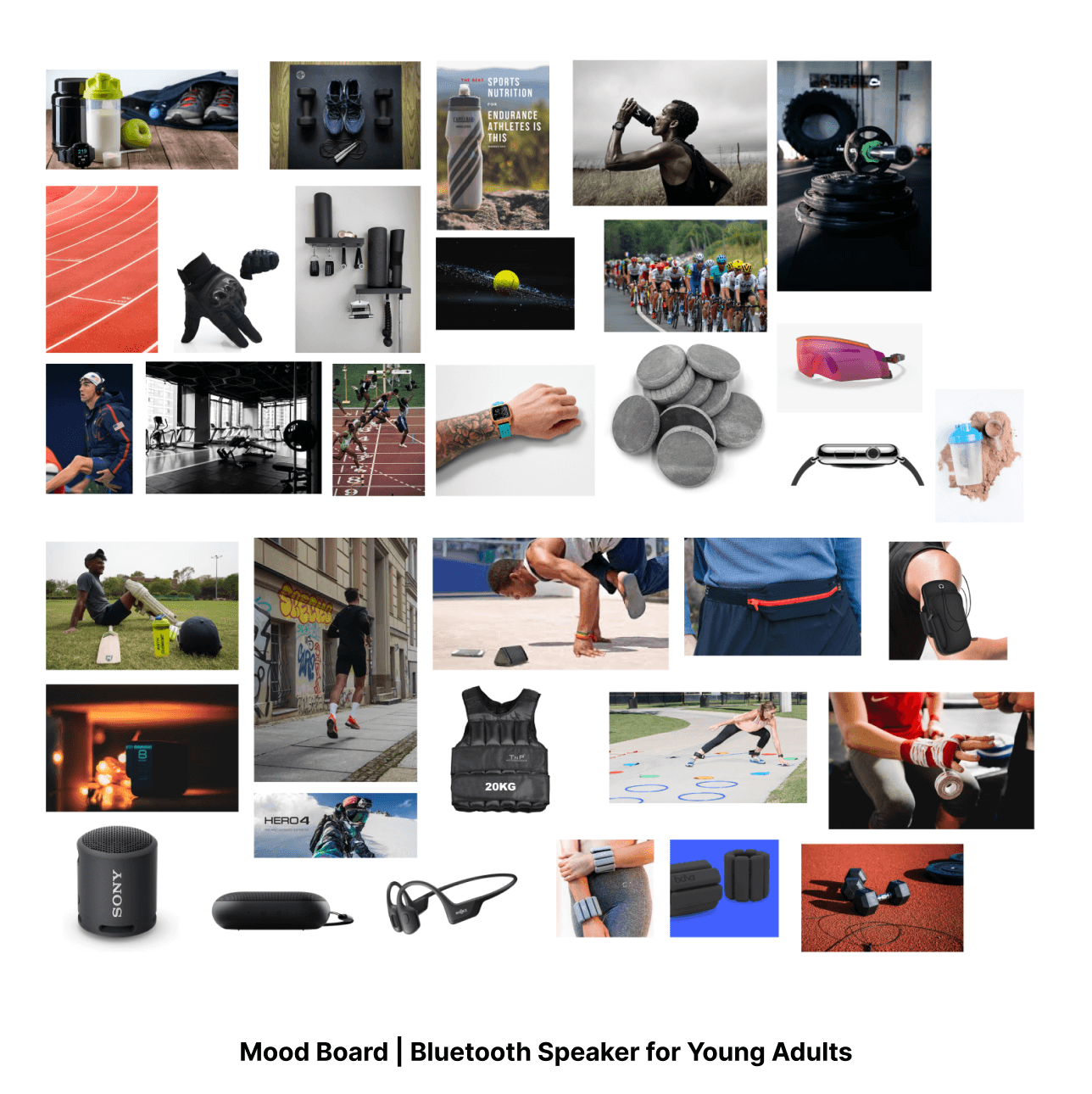
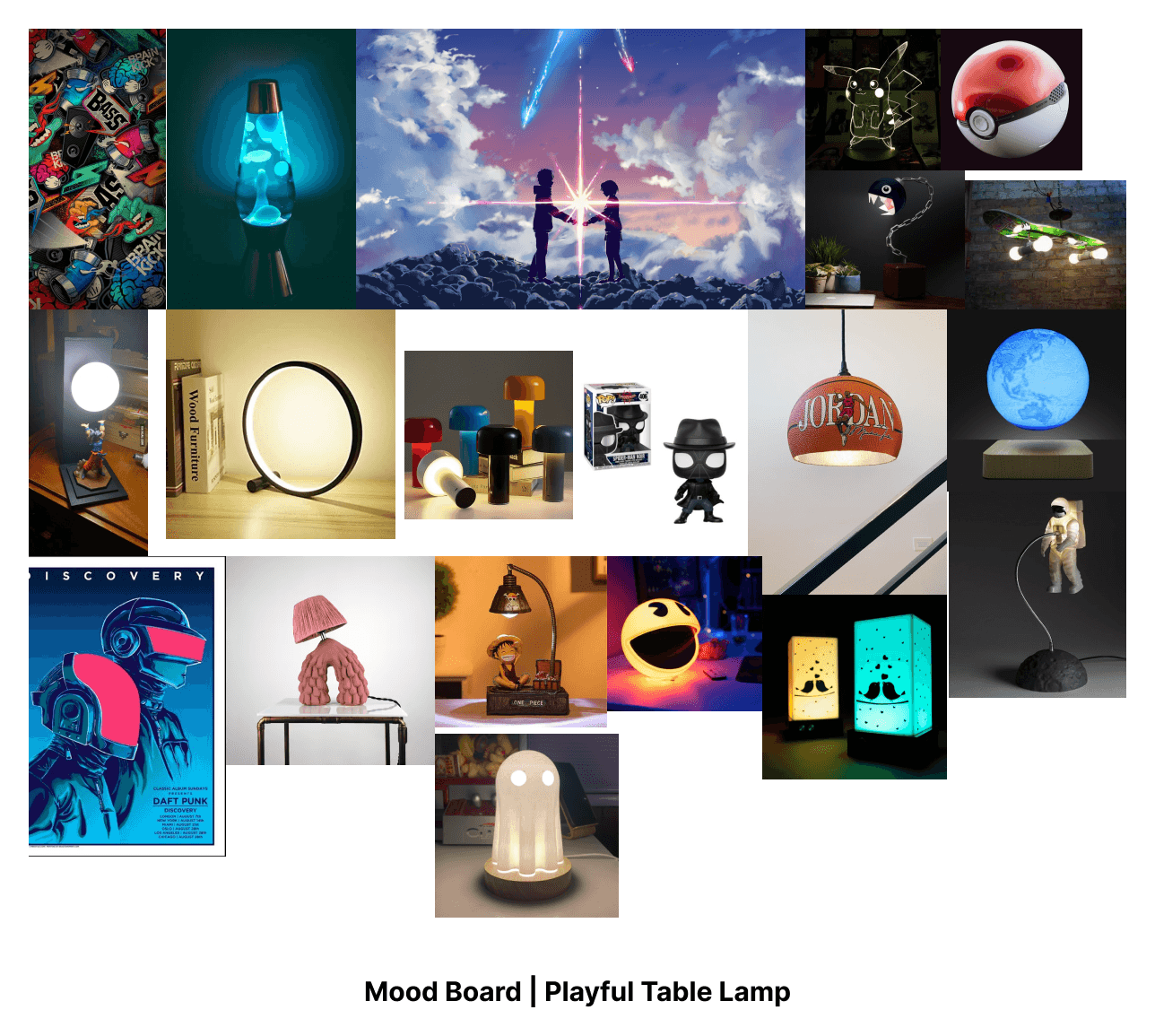
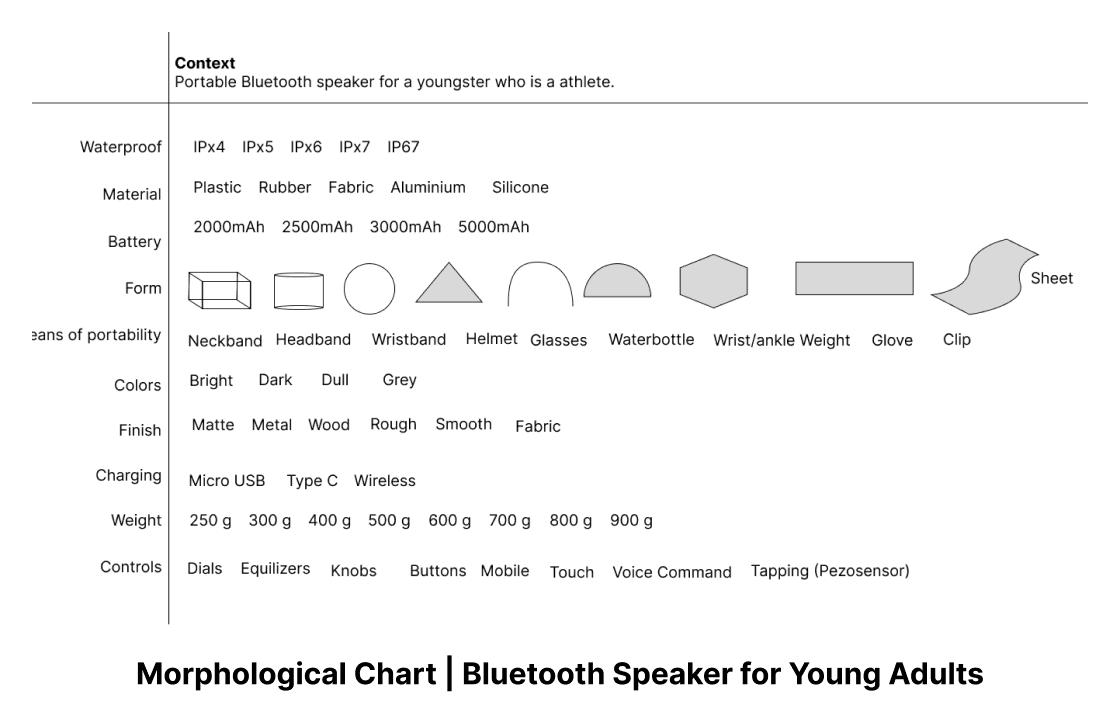
Based on the mood boards morphological charts were created to generate concepts for the given contexts of the products.
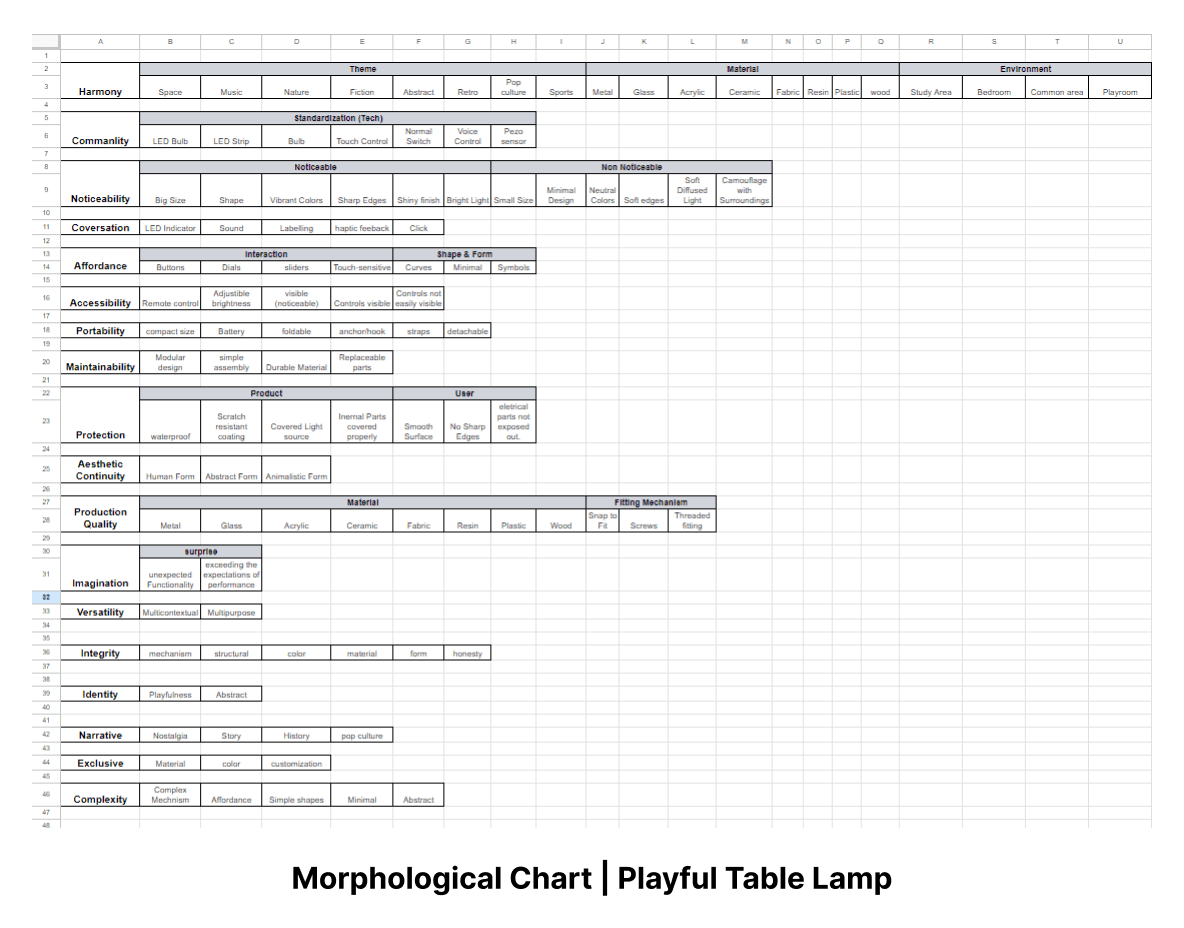
Concept Generation
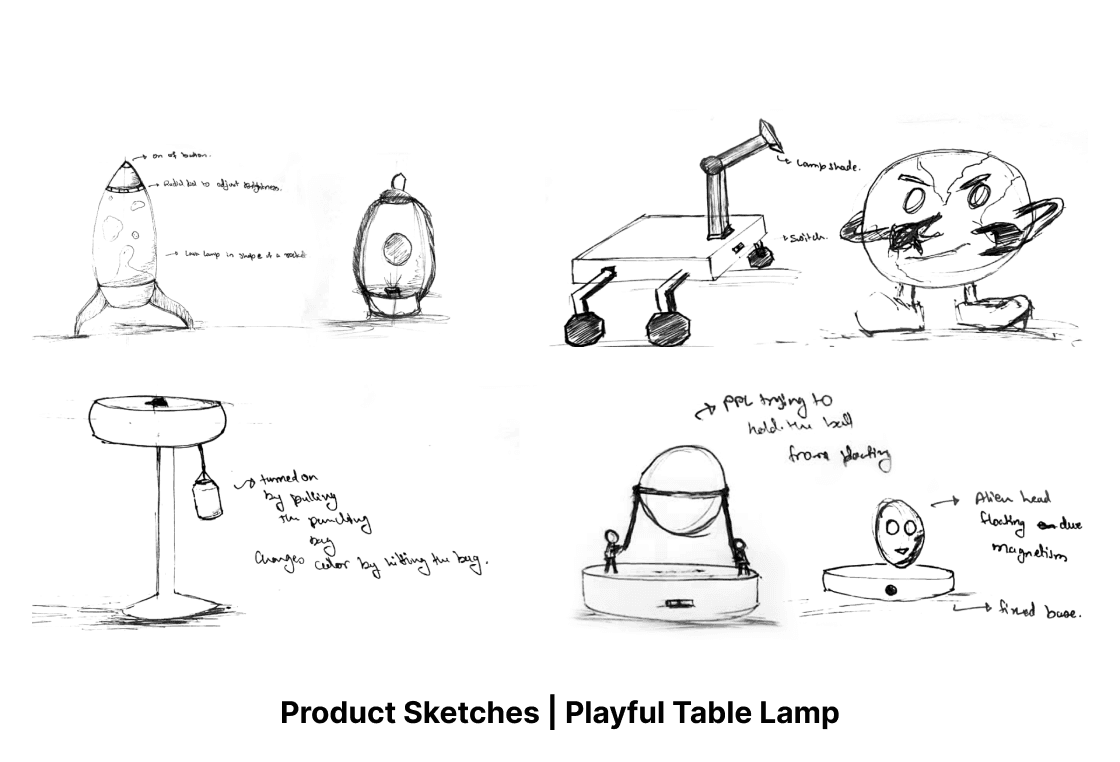
Using these morphological chart product concepts were generated and sketched out. These were pretty basic sketches to demonstrate the form and function of the product. (This was the first time that I sketched out products so they are rough.)

Prototyping
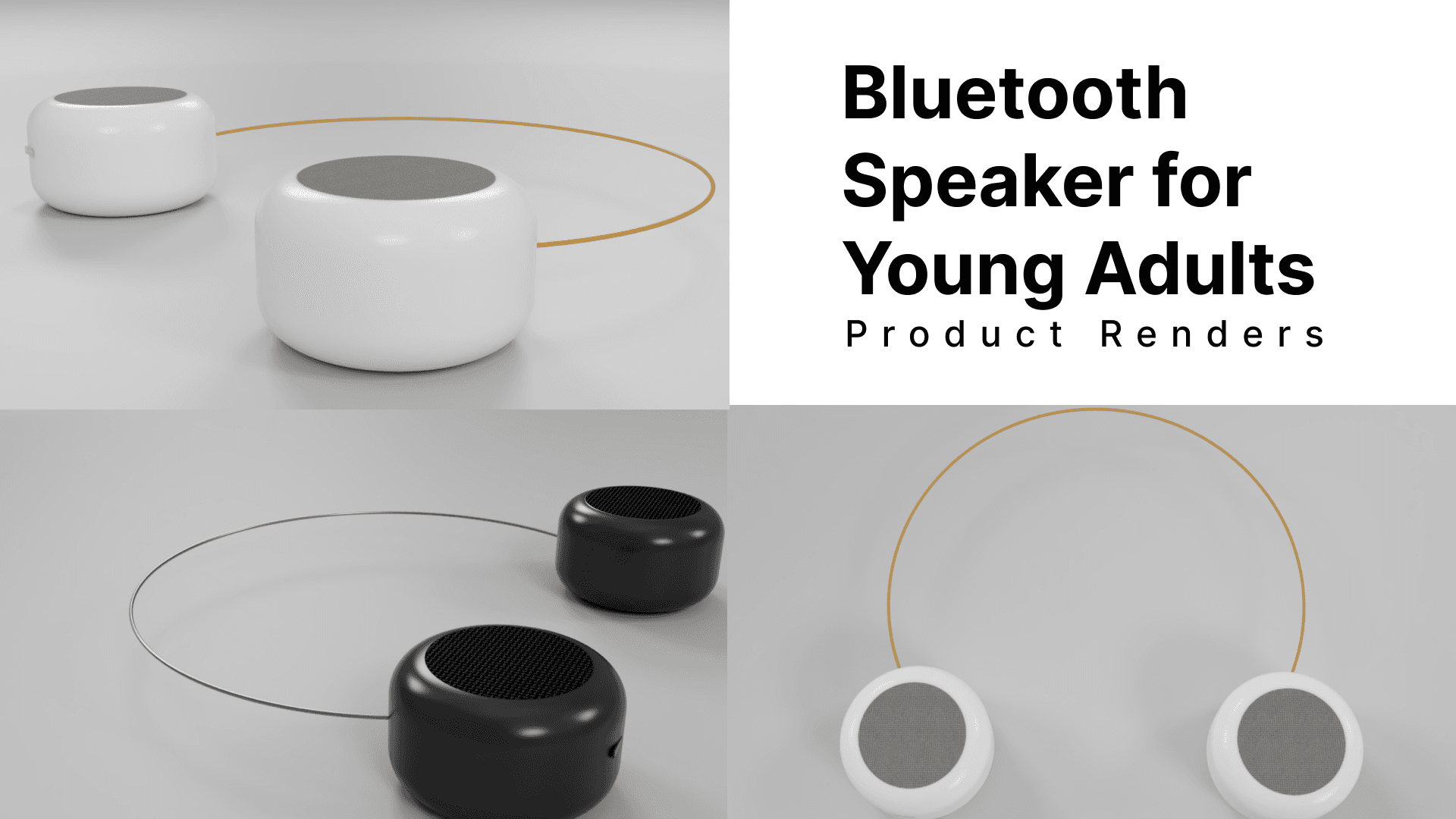
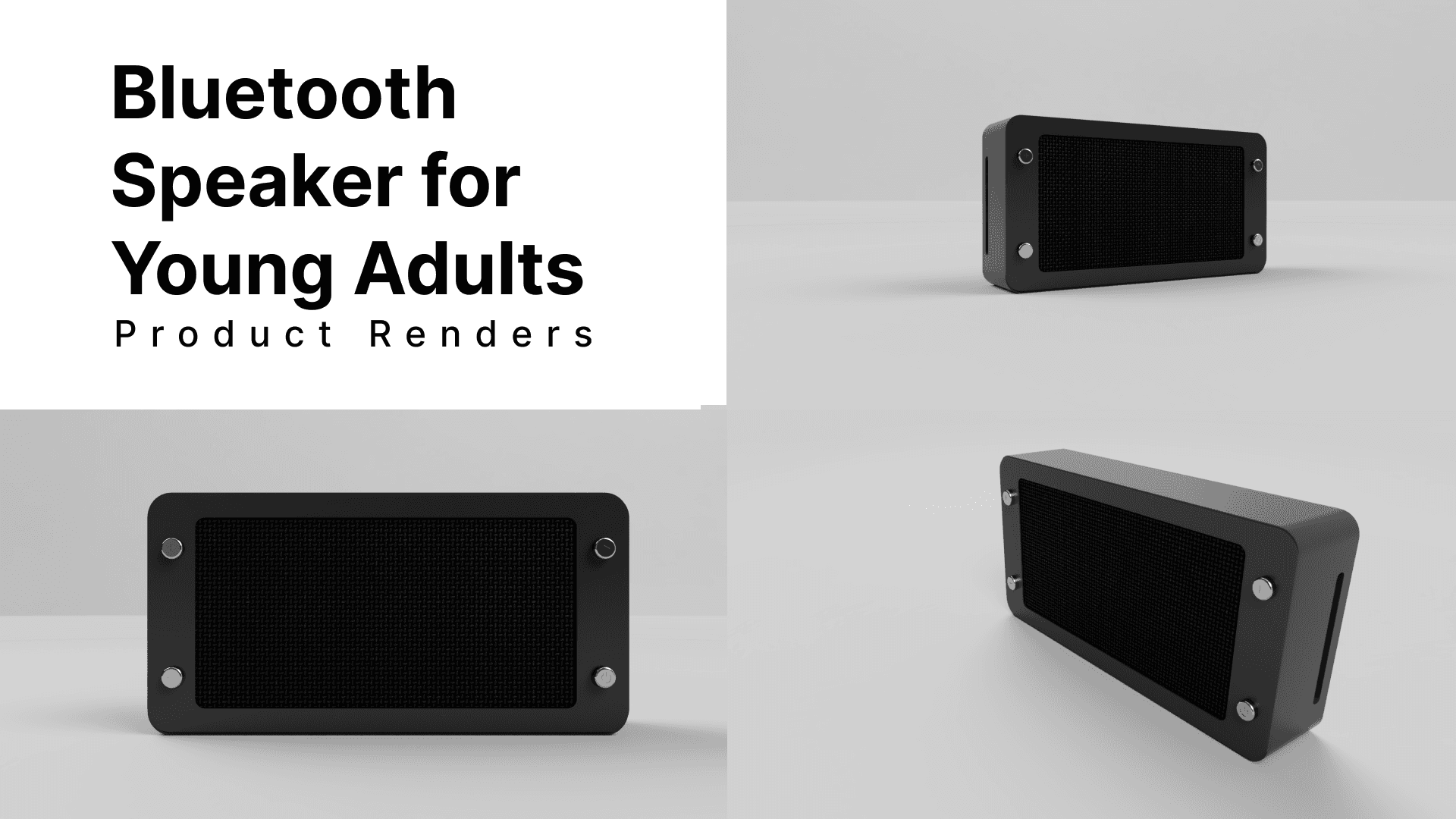
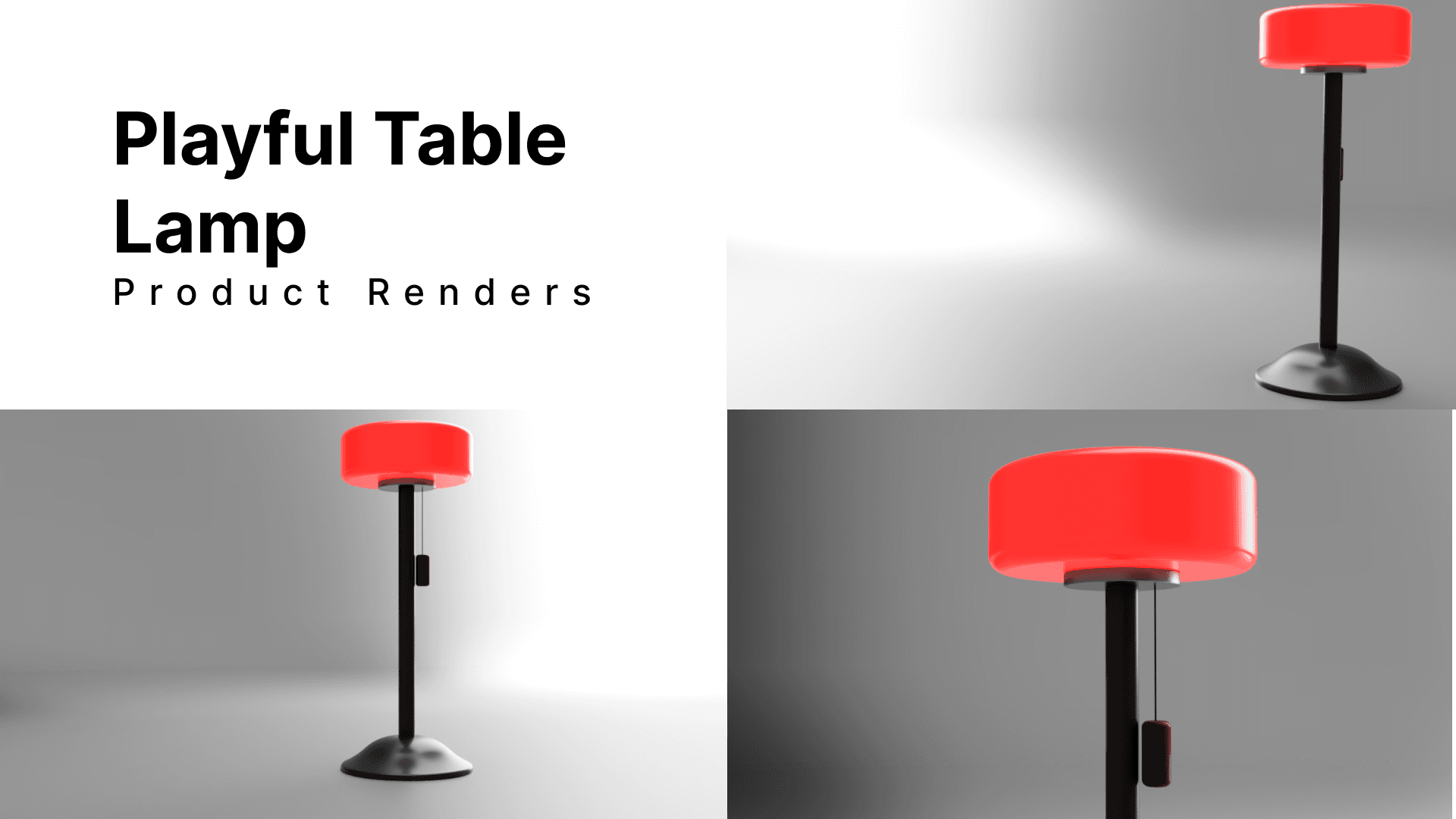
Based on the sketched 3D Models of few lamps were created in Fusion360 software. Here are the 3D renders of the final Lamps and speaker concepts.
Conclusion
In conclusion, the factor-based classification approach presented in this report provided a systematic method for extracting product features. By employing the five groups as filters, the extraction process became more detailed and refined. The use of 25 individual factors further enhanced the ability to identify specific features within the product. Overall, this approach proved to be valuable in analyzing and understanding product attributes, ultimately contributing to the research work at hand.
Special Mentions
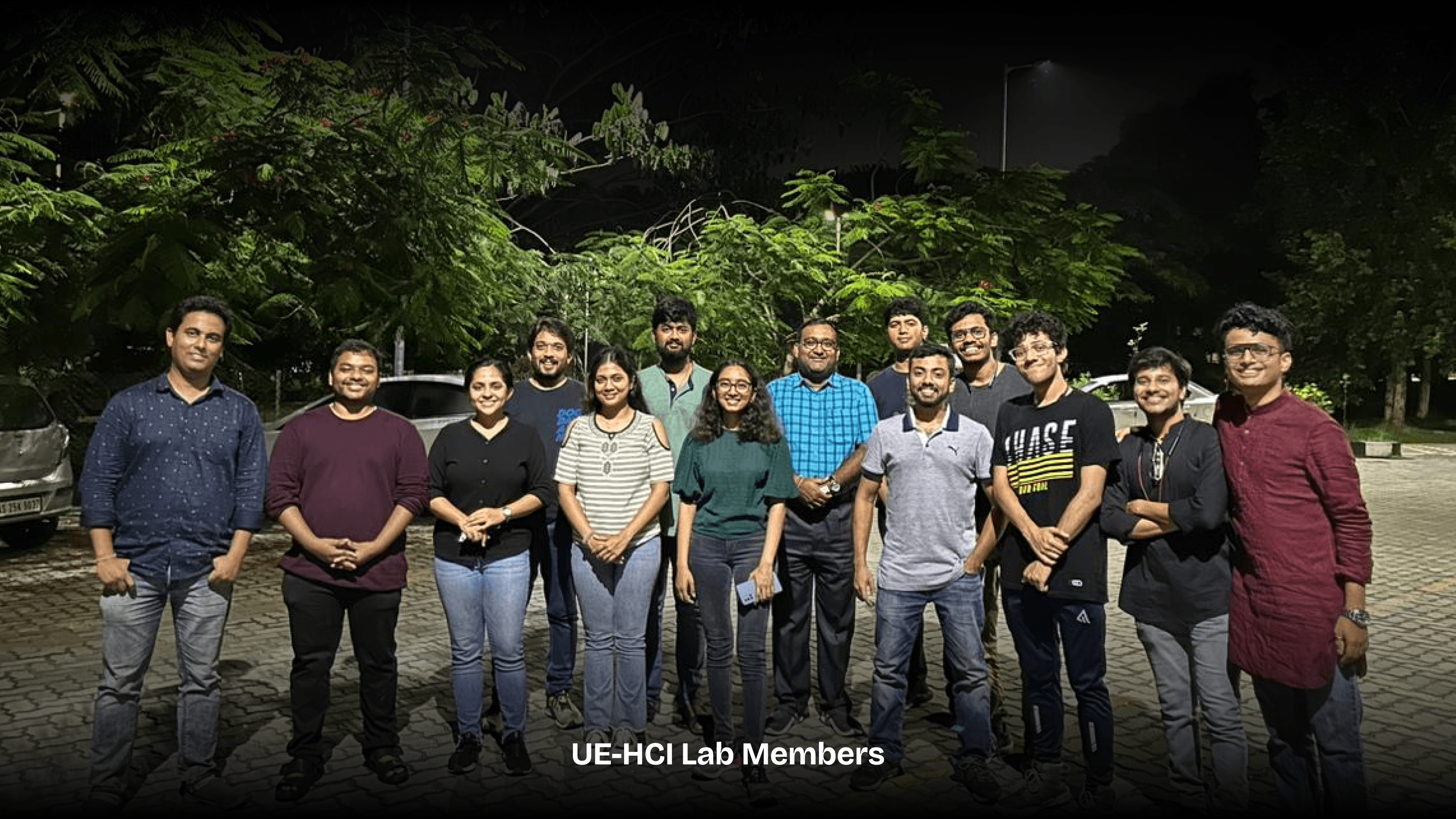
During the summer internship I had an opportunity to work with some amazing people and to learn new things specially learning about different fields of design. I am really grateful to Prof. Debana Dhar for guiding me throughout the internship project and also to the lab members specially Rahul Jetti and Suvodeep Misra for helping me out durign my stay at IIT Guwahati.